Metformin is one of the most commonly prescribed medications for type 2 diabetes, but many patients wonder about its effects on weight. This comprehensive review examines clinical studies and patient reports to separate fact from fiction.
Read More
Medication Side Effects Checker
← Back to Blog
Antibiotics for Sinus Infection: Best Treatments, Uses, and Side Effects Explained
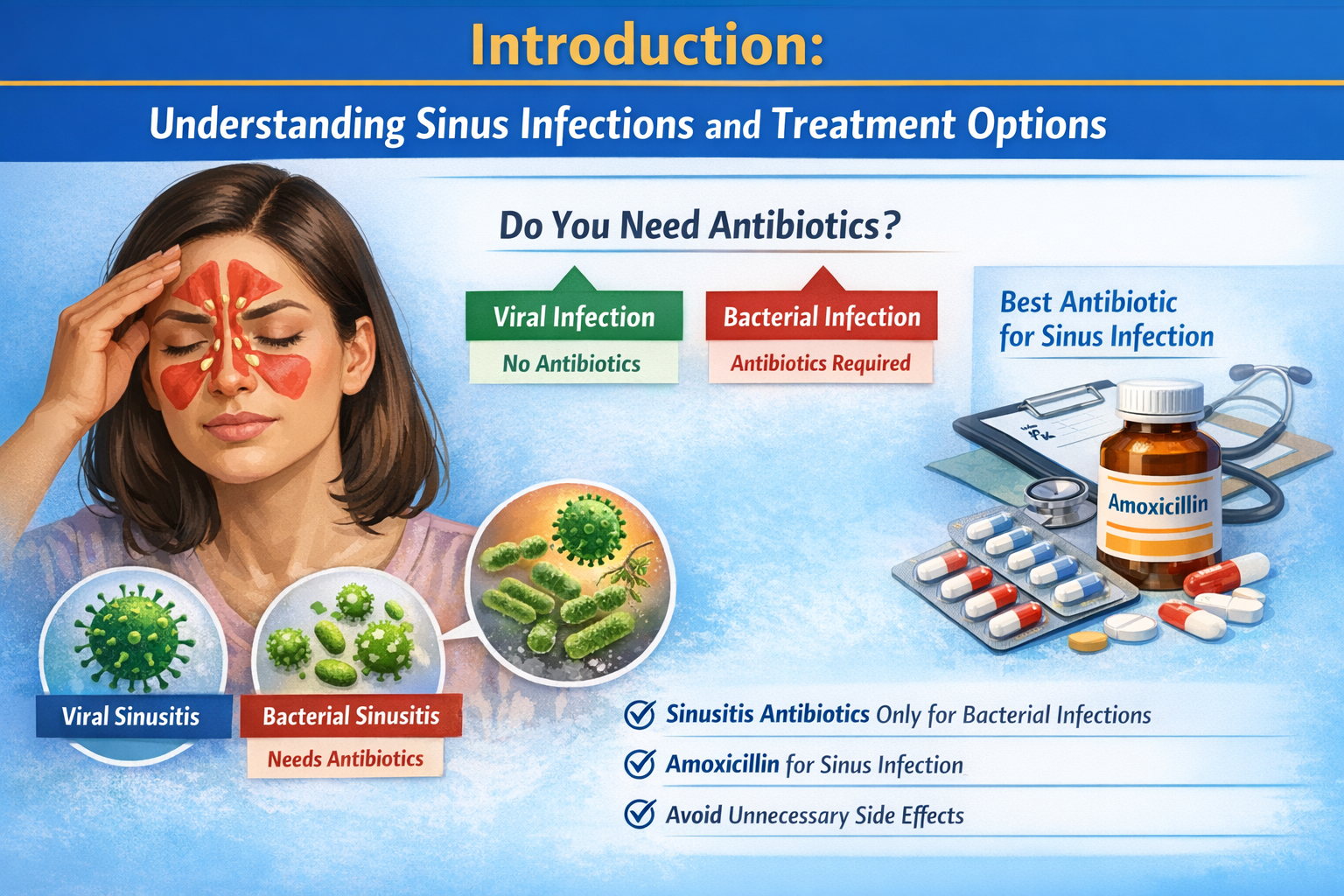
Introduction: Understanding Sinus Infections and Treatment Options
Sinus infections, also known as Sinusitis, are a widespread condition that can leave you dealing with stubborn congestion, facial pressure, headaches, and difficulty breathing. When symptoms don’t go away quickly, many people start searching for antibiotics for sinus infection as a fast solution. While this seems like the obvious step, it’s important to understand that not every sinus infection is caused by bacteria—many are viral and improve on their own with proper care.
This is where the role of sinusitis antibiotics becomes important. Doctors typically recommend them only when symptoms last longer than expected or clearly point to a bacterial infection. Choosing the best antibiotic for sinus infection depends on several factors, including the severity of symptoms, medical history, and how the body responds to treatment. Using antibiotics unnecessarily can lead to resistance and unwanted side effects, making proper diagnosis essential.
Among the commonly prescribed options, amoxicillin for sinus infection is often considered a first-line treatment due to its effectiveness and safety profile. However, it may not be suitable for everyone, and alternatives may be needed in certain cases. Understanding when antibiotics are truly necessary—and which option is right—can help you recover faster while avoiding unnecessary risks.
2. What Causes Sinus Infections? (Do You Always Need Antibiotics?)
Most sinus infections, medically known as Sinusitis, are triggered by viruses that develop after a cold or seasonal allergy flare-up. In these early stages, symptoms like congestion, facial pressure, and a runny nose can feel uncomfortable but usually improve on their own. Because of this, antibiotics for nasal infection are often not needed right away, since they only work against bacteria—not viruses.
Using antibiotics too soon can do more harm than good. Many people assume they need antibiotics for sinus infection as soon as symptoms appear, but unnecessary use can lead to antibiotic resistance and unwanted side effects. This makes future infections harder to treat and reduces the effectiveness of commonly prescribed sinusitis antibiotics when they are truly needed.
However, there are cases where antibiotics become important. If symptoms last longer than 10 days, suddenly worsen, or include high fever and severe pain, a bacterial infection may be present. In such situations, doctors may recommend antibiotics for sinus infection after careful evaluation. This ensures that sinusitis antibiotics are used only when appropriate, helping patients recover safely while avoiding unnecessary risks.
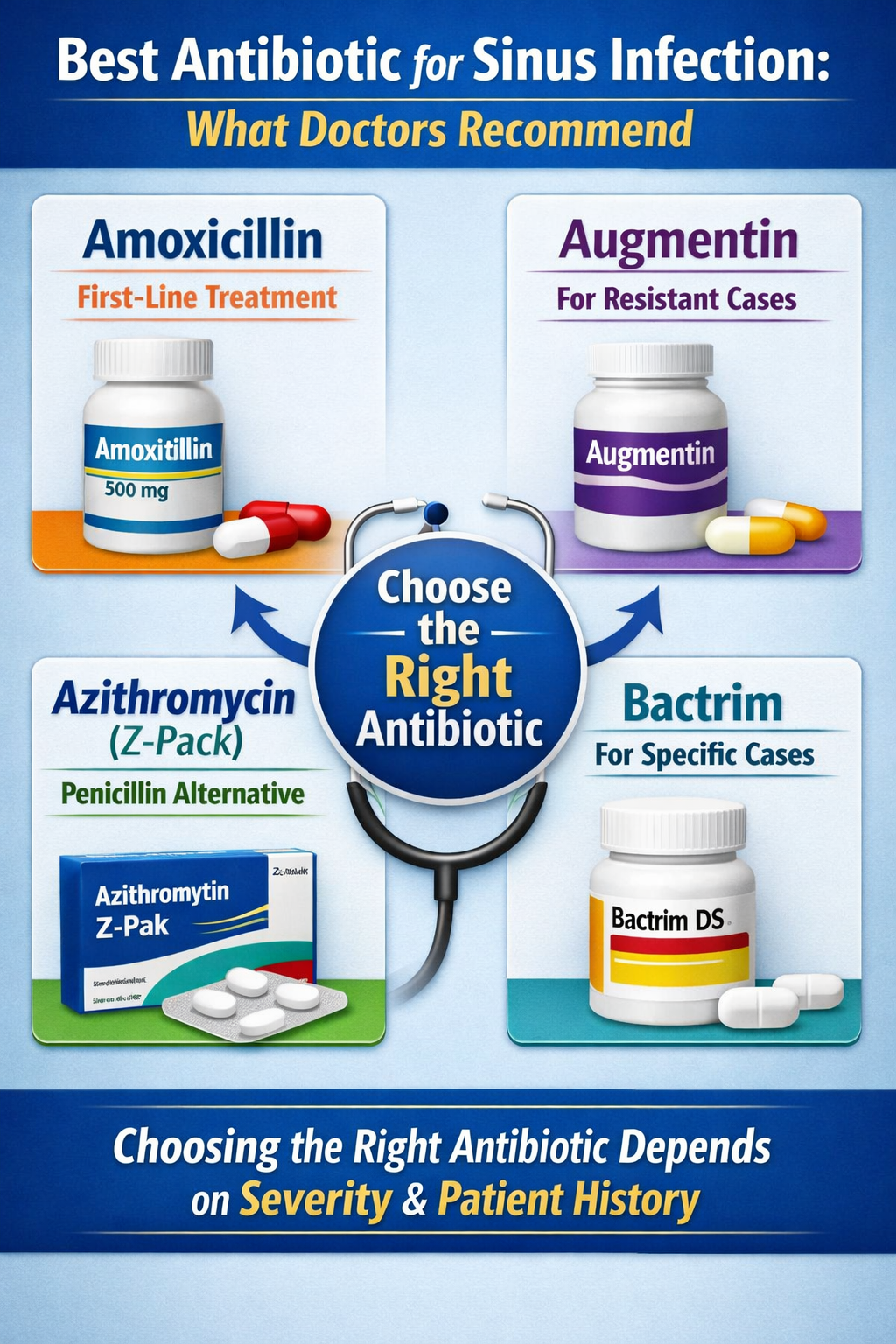
3. Best Antibiotic for Sinus Infection: What Doctors Recommend
Finding the best antibiotic for sinus infection isn’t a one-size-fits-all decision. Doctors consider how severe your symptoms are, how long you’ve been sick, and whether bacteria are likely causing the infection. In many cases, amoxicillin for sinus infection is the first choice because it is effective, widely available, and generally well tolerated. It works by stopping the growth of bacteria, helping your body recover faster when a bacterial sinus infection is confirmed.
If symptoms are more severe or don’t improve, doctors may prescribe augmentin for sinus infection, which combines amoxicillin with another ingredient to fight resistant bacteria. For patients allergic to penicillin, alternatives like the zpack for sinus may be considered, although it’s not always the first option due to increasing resistance. In certain cases, especially when other antibiotics aren’t suitable, bactrim for sinus can also be used under medical guidance.
Ultimately, the best antibiotic for sinus infection depends on your individual condition and medical history. While amoxicillin for sinus infection is often the starting point, options like augmentin for sinus infection, zpack for sinus, and bactrim for sinus are chosen when needed. The key is to follow your doctor’s advice closely, complete the full course of medication, and avoid self-prescribing to ensure safe and effective recovery.
4. Amoxicillin for Sinus Infection: How It Works
Amoxicillin for sinusitis is one of the most commonly recommended options among sinusitis antibiotics, especially when a bacterial infection is suspected. It belongs to the penicillin group and works by stopping the growth of bacteria, allowing your immune system to clear the infection more effectively. Because it targets the root cause rather than just relieving symptoms, amoxicillin for sinus infection is often considered a reliable first-line treatment.
Doctors usually prescribe amoxicillin for sinus infection for about 5–10 days, depending on the severity of symptoms and patient response. It is generally effective for mild to moderate cases, helping reduce facial pressure, congestion, and discomfort within a few days. As part of standard sinusitis antibiotics treatment, patients are advised to complete the full course to prevent recurrence and antibiotic resistance.
In some situations, bacteria may not respond well to basic treatment. When this happens, healthcare providers may recommend stronger alternatives like augmentin for sinus infection, which combines amoxicillin with an additional ingredient to fight resistant bacteria. While amoxicillin for sinusitis works well for many people, choosing the right medication ultimately depends on individual health conditions and how the infection progresses.
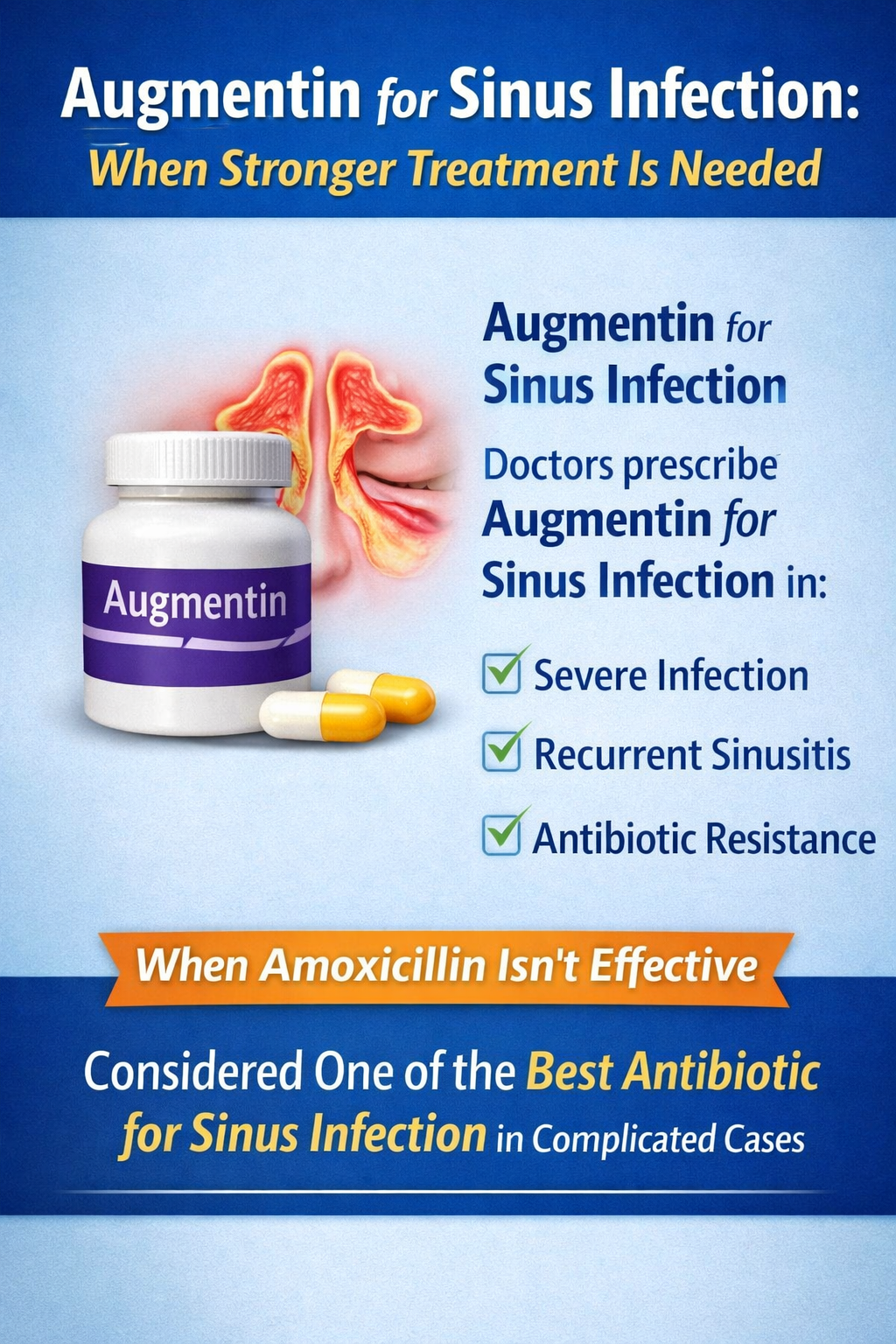
5. Augmentin for Sinus Infection: When Stronger Treatment Is Needed
When a standard treatment like amoxicillin for sinus infection doesn’t provide enough relief, doctors may step up to augmentin for sinus infection. Augmentin combines amoxicillin with clavulanate, which helps overcome bacteria that have developed resistance. This makes it a more powerful option for targeting stubborn infections that don’t respond to first-line antibiotics.
Healthcare providers typically recommend augmentin for sinus infection in more serious situations, such as severe symptoms, recurring sinus problems, or confirmed bacterial resistance. In these cases, simply repeating amoxicillin for sinus infection may not be effective, and a broader-spectrum medication is needed to clear the infection fully and prevent complications.
Because of its enhanced effectiveness, many consider augmentin for sinus infection to be among the best antibiotic for sinus infection in complex or persistent cases. However, it should always be used under medical guidance to ensure proper dosage and to minimize potential side effects while achieving the best possible recovery.
6. Z-Pack for Sinus Infection: Is It Effective?
The Z-Pack, also known as Azithromycin, is often considered a quick and convenient treatment for sinus infections. Many people search for zpack for sinus because it typically requires only a short course of medication compared to other options. While it can be effective in certain cases, especially for bacterial infections, it is not always the first choice among sinusitis antibiotics. This is mainly due to increasing antibiotic resistance, which can make it less reliable for some patients.
In situations where patients cannot take penicillin-based drugs, doctors may prescribe azithromycin as an alternative to amoxicillin for sinusitis. This makes the Z-Pack a useful option for individuals with allergies or sensitivities. However, healthcare providers carefully evaluate symptoms and medical history before choosing this treatment, ensuring that zpack for sinus is appropriate for the specific type of infection.
Ultimately, the decision to use azithromycin depends on multiple factors, including the severity of symptoms and the likelihood of bacterial infection. While it remains part of the broader category of sinusitis antibiotics, it is not always the most effective solution. Patients should follow medical advice closely and avoid self-medicating, as improper use of antibiotics can reduce their effectiveness over time.
7. Bactrim for Sinus Infection: Alternative Option
When it comes to treating stubborn sinus infections, bactrim for sinus can be considered as an alternative option, especially when first-line treatments are not effective or suitable. While it may not be the most commonly prescribed choice, doctors sometimes recommend it based on the type of bacteria involved and a patient’s medical history. Among various sinusitis antibiotics, Bactrim plays a role in targeting specific bacterial strains that may not respond well to more commonly used medications.
In certain cases, patients who are allergic to penicillin-based drugs or who have not improved with other treatments may be prescribed bactrim for sinus. As part of the broader group of antibiotics for nasal infection, it works by stopping the growth of bacteria and helping the body recover more efficiently. However, its use is usually guided by a healthcare provider to ensure it matches the infection type and avoids unnecessary antibiotic exposure.
Like all sinusitis antibiotics, Bactrim should be taken exactly as prescribed to achieve the best results and reduce the risk of resistance. It is important to complete the full course, even if symptoms improve early. Since antibiotics for nasal infection can affect individuals differently, patients should stay alert for any side effects and consult a doctor if something feels unusual while taking bactrim for sinus.
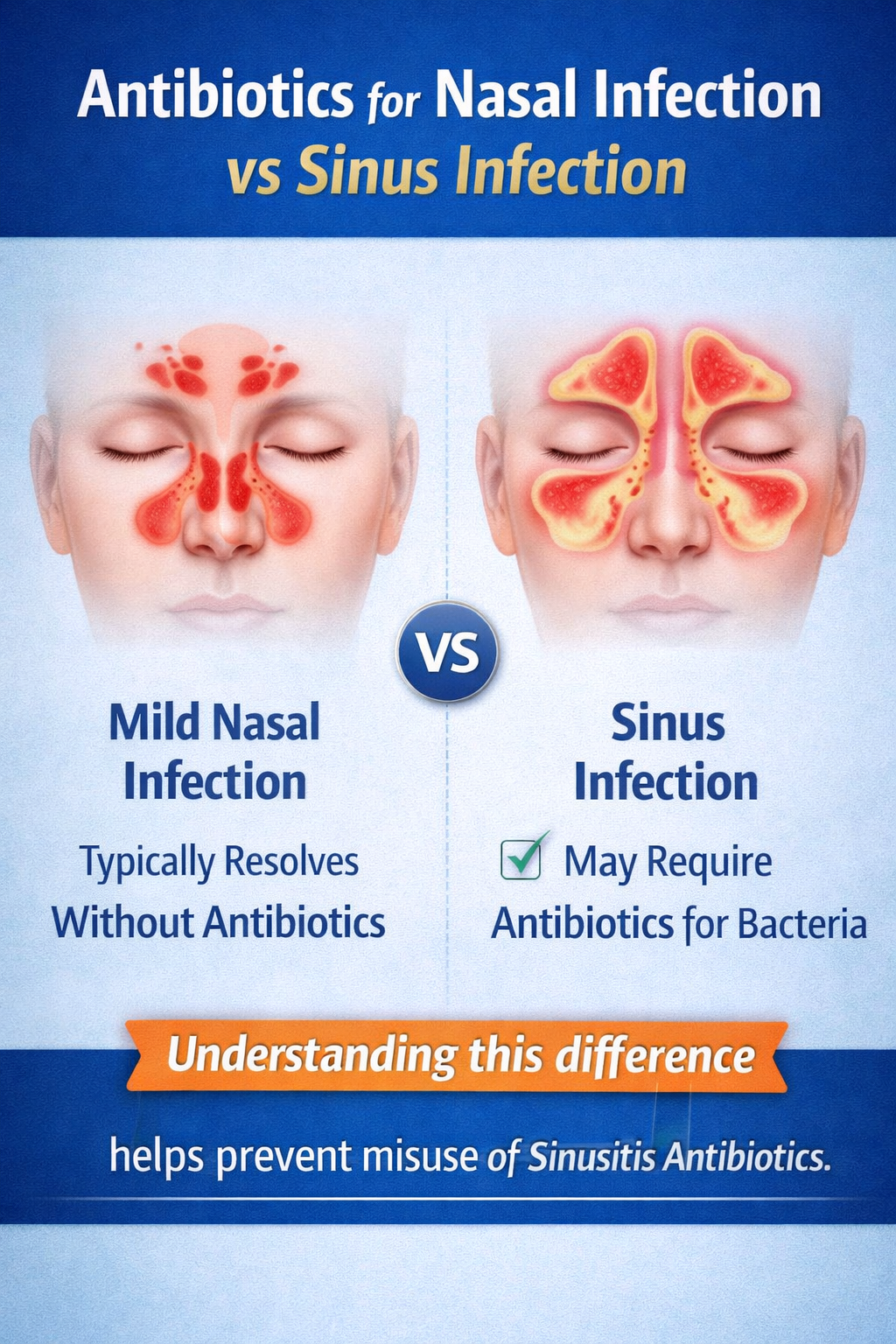
8. Antibiotics for Nasal Infection vs Sinus Infection
Many people often mix up antibiotics for nasal infection with antibiotics for sinus infection, but they are not always the same thing. A nasal infection usually affects the lining inside the nose and is often caused by viruses, which means antibiotics may not be needed at all. In contrast, a sinus infection, also known as sinusitis, affects the deeper sinus cavities and can sometimes become bacterial, requiring proper medical treatment.
When it comes to treatment, doctors are careful about prescribing antibiotics for sinus infection. These medications are typically recommended only if symptoms last longer than expected, worsen over time, or clearly indicate a bacterial cause. On the other hand, mild nasal infections often improve on their own with rest, hydration, and simple home remedies, making antibiotics for nasal infection unnecessary in many cases. This distinction is important to avoid overuse of medication.
Understanding the difference between these conditions can help you make smarter health decisions. Using sinusitis antibiotics only when truly needed not only improves recovery but also reduces the risk of side effects and antibiotic resistance. By knowing when antibiotics for nasal infection or antibiotics for sinus infection are appropriate, you can ensure safer and more effective treatment.
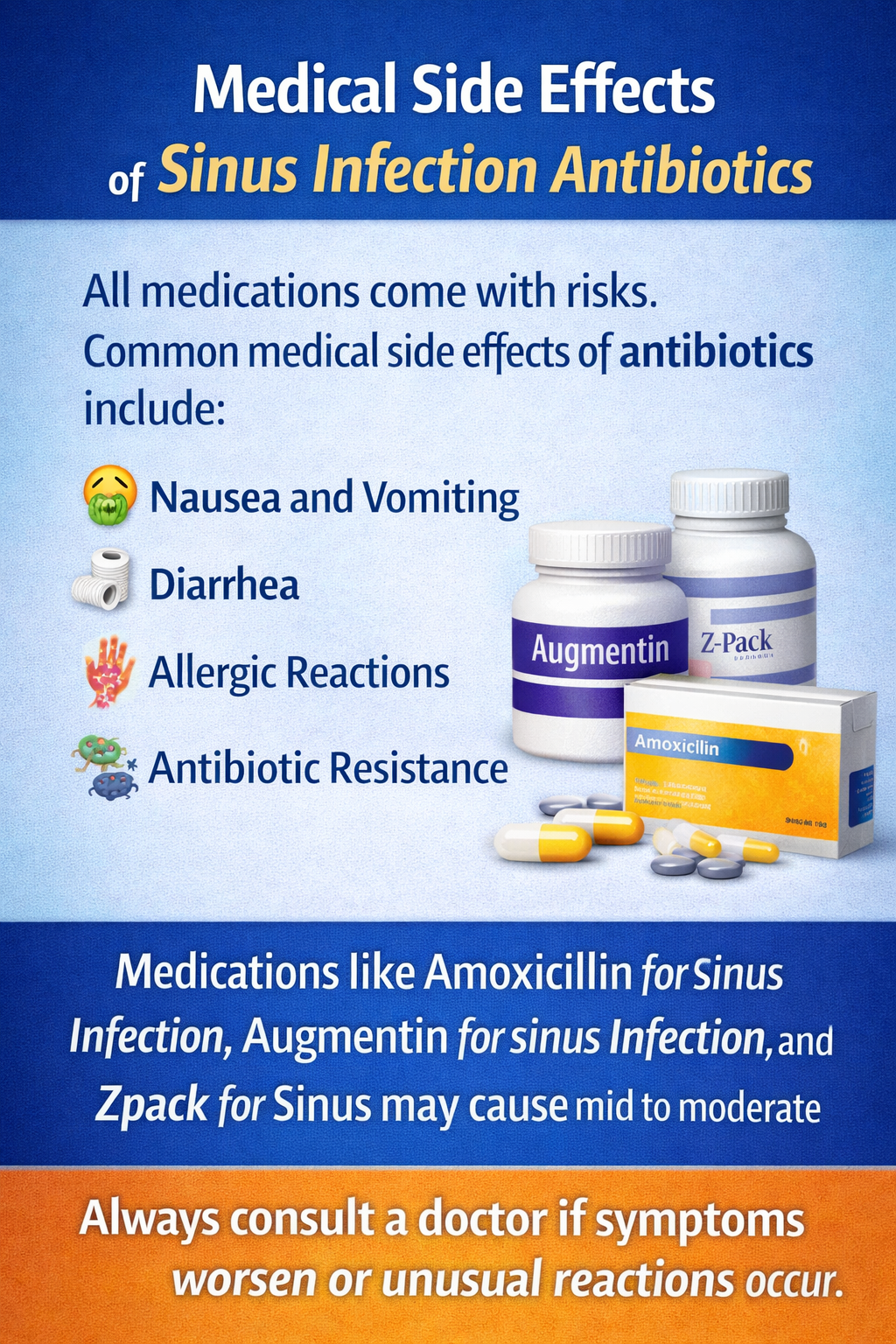
9. Medical Side Effects of Sinus Infection Antibiotics
When treating sinus infections, it’s important to understand the medical side effects that can come with antibiotic use. While medications like amoxicillin for sinus infection are commonly prescribed and generally effective, they may still cause mild reactions in some individuals. These can include stomach discomfort, nausea, or even vomiting, especially during the first few days of treatment as the body adjusts to the medication.
Similarly, stronger options such as augmentin for sinus infection may lead to digestive issues like diarrhea or bloating due to their broader impact on gut bacteria. In some cases, patients using a zpack for sinus may experience headaches or temporary fatigue. Although these symptoms are usually mild, they can vary depending on the person’s sensitivity and overall health.
In rare situations, more serious medical side effects such as allergic reactions can occur, including skin rashes, itching, or difficulty breathing. Overuse of antibiotics like amoxicillin for sinus infection, augmentin for sinus infection, or zpack for sinus can also contribute to antibiotic resistance, making future infections harder to treat. That’s why it’s essential to follow your doctor’s instructions carefully and seek medical advice if any unusual or severe symptoms appear.
10. When to See a Doctor for Sinus Infection: Signs You Shouldn’t Ignore
If your sinus symptoms don’t improve after 10 days, it may be time to seek medical advice. While many mild cases resolve on their own, persistent congestion, facial pressure, or thick nasal discharge could indicate a bacterial infection. In such situations, a doctor can evaluate whether antibiotics for sinus infection are necessary, rather than relying on guesswork or self-medication.
A high fever, worsening headache, or intense facial pain are warning signs that shouldn’t be ignored. These symptoms may suggest the infection is becoming more severe or spreading. Instead of continuing with over-the-counter remedies that aren’t helping, getting a professional diagnosis ensures you receive the right treatment, including the best antibiotic for sinus infection if required.
It’s especially important to consult a doctor if your symptoms initially improve but then suddenly get worse. This pattern can signal a secondary bacterial infection that may need targeted care. A healthcare provider will assess your condition, recommend appropriate treatment, and decide whether antibiotics for sinus infection are the safest and most effective option for your recovery.
11. Conclusion: Choosing the Right Treatment Safely
Choosing the right approach to treatment starts with understanding when sinusitis antibiotics are truly needed. Not every sinus infection requires medication, but when a bacterial infection is confirmed, doctors may recommend options like amoxicillin for sinusitis as a first step. In more persistent or severe cases, augmentin for sinus infection or even bactrim for sinus may be considered based on individual health needs. The key is to avoid self-medication and rely on proper medical guidance to ensure effective results.
Equally important is being aware of how your body responds to these treatments. While antibiotics can help clear infections, they may also come with medical side effects such as digestive discomfort or mild allergic reactions. Knowing what to expect helps you stay prepared and take timely action if something feels off. This awareness not only improves your treatment experience but also reduces unnecessary worry.
Ultimately, safe and successful recovery depends on using medications responsibly and completing the full course as prescribed. By combining the right sinusitis antibiotics with proper care, rest, and hydration, you give your body the best chance to heal quickly. Always stay informed, follow your doctor’s advice, and pay attention to any medical side effects to ensure a smoother and safer recovery journey.
More Blog Posts
Does Metformin Cause Weight Gain? What the Research Says
Managing Ozempic Side Effects: Nausea and Other Common Issues
Ozempic (semaglutide) has become a popular treatment for type 2 diabetes and weight management, but its gastrointestinal side effects can be challenging. Learn evidence-based strategies to minimize discomfort while benefiting from this medication.
Read More
Tylenol and Ibuprofen: Safe Together or Risky Combination?
Many people alternate between acetaminophen (Tylenol) and ibuprofen for pain relief, but is this practice safe? We analyze the pharmacological interactions and clinical guidelines to help you make informed decisions about pain management.
Read More
Why Does Lexapro Cause Weight Gain? Understanding the Mechanisms
Lexapro (escitalopram) is an effective SSRI antidepressant, but weight gain is a common concern. This article explores the physiological reasons behind this side effect and offers practical advice for managing weight while on medication.
Read More
How to Stop Dizziness from Blood Pressure Meds
Practical strategies to manage orthostatic hypotension from antihypertensives.
Read More
Prozac Insomnia: How Long Does It Last?
Understanding the timeline for SSRI-related sleep disturbances.
Read More
Side Effects of Stopping Statins Suddenly
The risks and proper protocols for discontinuing cholesterol medications.
Read More
Can I Drink Alcohol with Antibiotics?
Which antibiotics interact with alcohol and the potential risks.
Read More
Adderall and Caffeine Side Effects
The dangerous combination of stimulants and its impact on your health.
Read More
Does Gabapentin Cause Hair Loss?
Examining the evidence behind this concerning side effect.
Read More
Managing Amlodipine-Induced Swelling: A Patient's Guide
Effective strategies for managing peripheral edema caused by calcium channel blockers.
Read More
Prednisone Moon Face: How Long to Go Away
Understanding and managing corticosteroid-induced facial swelling.
Read More
Can You Take Benadryl with Xanax?
The risks of combining CNS depressants and safer alternatives.
Read More
Zoloft vs Lexapro Side Effects
Comparing two popular SSRIs and their side effect profiles.
Read More
Best Time to Take Synthroid to Avoid Side Effects
Optimizing levothyroxine absorption and effectiveness.
Read More
Managing Weight Gain from Antidepressants
Strategies to counteract medication-induced weight changes.
Read More
Beta Blocker Withdrawal Symptoms Timeline
What to expect when tapering off these heart medications.
Read More
SSRI Withdrawal: What to Expect
Understanding discontinuation syndrome and how to minimize symptoms.
Read More
Birth Control Pills and Mood Swings
How hormonal contraceptives can affect your emotional health.
Read More
Natural Alternatives to Proton Pump Inhibitors
Lifestyle changes and supplements to reduce acid reflux without medications.
Read More
Can You Take Tylenol With Amoxicillin? A Comprehensive Guide
When dealing with common infections like strep throat, sinus infections, or even a toothache, your doctor may prescribe amoxicillin, a widely used antibiotic. At the same time, you might experience fever, body aches, or pain — symptoms that prompt many people to reach for Tylenol (acetaminophen). But a common question arises: Can you take Tylenol with amoxicillin?
Read More
Ozempic Side Effects: How Long Does It Last? Plus Benefits for Prediabetes & PCOS
Ozempic, a medication containing semaglutide, has quickly become one of the most talked-about treatments in recent years. Originally developed to help people with type 2 diabetes manage their blood sugar levels How Long Does It Last?
Read More
Dupixent Side Effects: What You Need to Know Before and After Treatment
Living with conditions like eczema, asthma, or chronic sinusitis can be challenging, and treatments such as Dupixent have brought relief to many patients. How to treat?
Read More
How to Stop Metformin Diarrhea: 7 Doctor-Approved Methods That Work
If you have recently been prescribed this medication, you may be searching for answers to an uncomfortable question: why does metformin give me diarrhea every time I eat? How to treat?
Read More