Metformin is one of the most commonly prescribed medications for type 2 diabetes, but many patients wonder about its effects on weight. This comprehensive review examines clinical studies and patient reports to separate fact from fiction.
Read More
Medication Side Effects Checker
← Back to Blog


How to Stop Metformin Diarrhea: 7 Doctor-Approved Methods That Work
1. Introduction
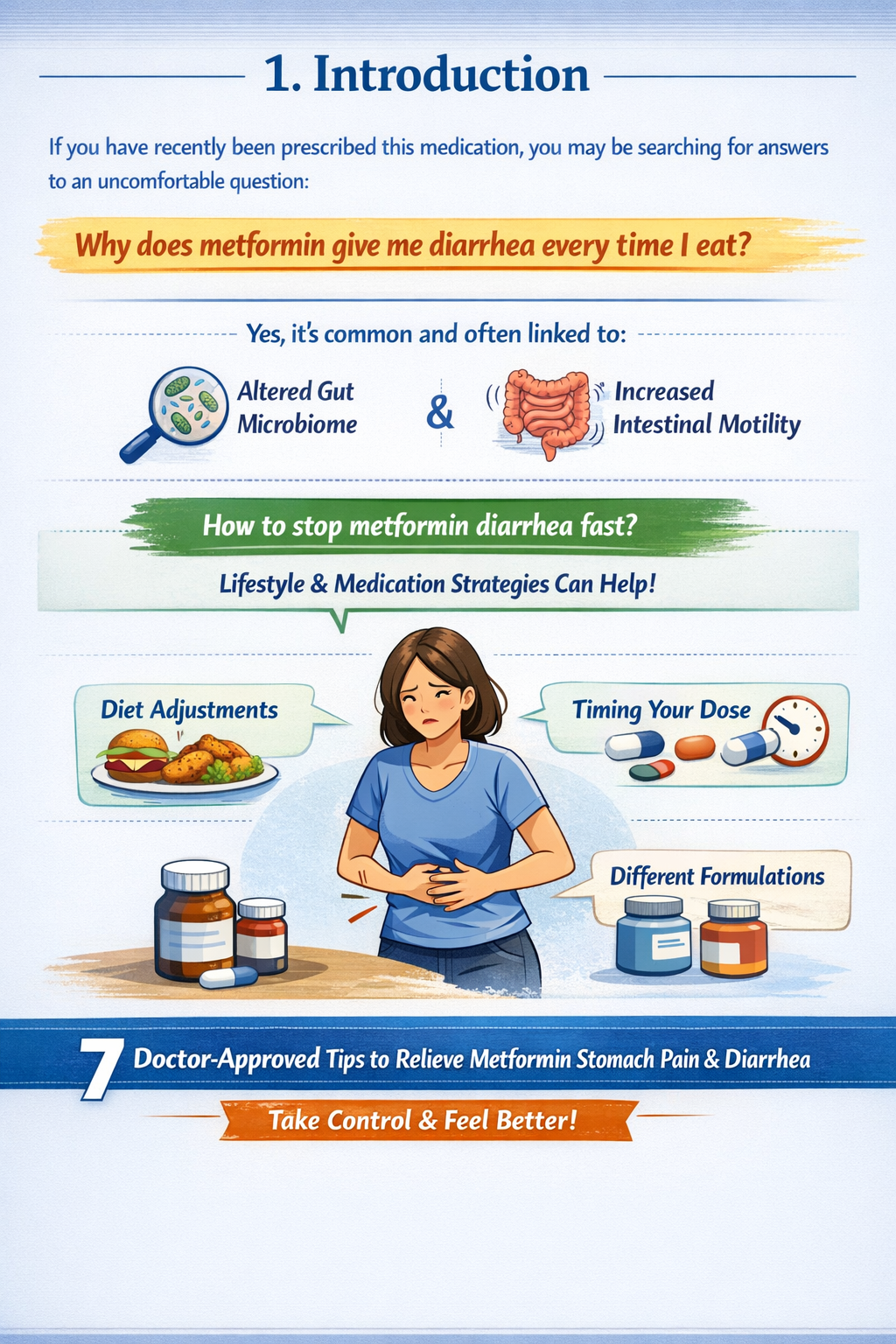
If you have recently been prescribed this medication, you may be searching for answers to an uncomfortable question: why does metformin give me diarrhea every time I eat? You are not alone. While Metformin is one of the most effective medications for managing blood sugar, the reality is that metformin diarrhea is an incredibly common complaint. For many, the frustration begins shortly after the first dose, leading to concerns about metformin and upset stomach. Patients frequently wonder, is it normal to have diarrhea after starting metformin? The answer is yes—this is a well-documented reaction, but it is not something you simply have to endure. Often, the severity of the symptoms depends on what is on your plate; identifying the specific foods that cause diarrhea with metformin is a crucial first step toward relief. The good news is that while these gastrointestinal issues are common, they are highly manageable with the right approach.
Understanding why the body reacts this way is key to finding a solution. Metformin cause diarrhea primarily because it alters the gut microbiome and speeds up intestinal motility, creating a sense of urgency that can disrupt daily life. This side effect often leads people to search desperately for how to stop metformin diarrhea fast, hoping to regain control without compromising their diabetes management. However, simply stopping the medication is rarely the answer. Instead, the focus should shift to strategic interventions that allow the body to adjust. Whether it is changing the formulation of the medication, adjusting your diet to exclude trigger foods, or implementing specific timing strategies, there are proven methods to soothe the digestive tract. Recognizing that this is a physiological response rather than a personal intolerance helps reduce anxiety and empowers patients to take actionable steps.
Fortunately, you do not have to choose between managing your diabetes and living free from constant digestive distress. This guide is designed to answer what helps metformin stomach pain and diarrhea by providing seven doctor-approved strategies that target the root causes of the issue. We will move beyond general advice to offer specific techniques, such as optimizing when you take your medication and how you pair it with food. By addressing the question of how to stop metformin diarrhea through a combination of medical adjustments and lifestyle changes, you can significantly reduce or even eliminate these unpleasant side effects. With the right plan, you can continue to benefit from Metformin’s powerful glucose-controlling properties while enjoying a comfortable, predictable digestive routine. Let’s explore the methods that will help you get back to feeling like yourself again.
2. Switch to Extended Release Formulation: Why Metformin Extended Release Diarrhea is Less Common
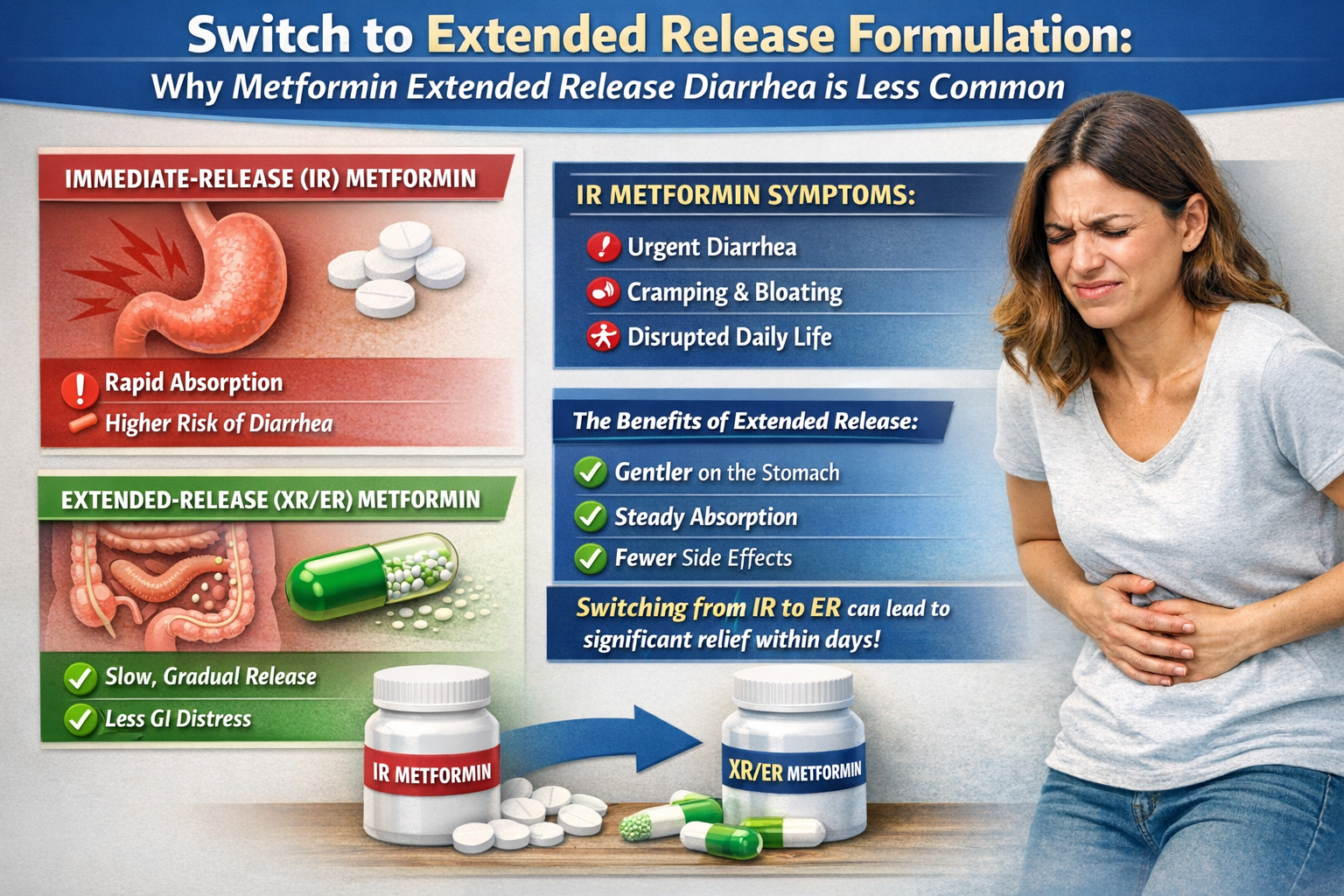
If you have found yourself asking, does metformin er cause less diarrhea than ir? you are asking one of the most important questions in diabetes management. The answer, for the vast majority of patients, is a definitive yes. Immediate-release (IR) metformin is designed to dissolve quickly in the stomach, which can overwhelm the digestive tract and trigger sudden, urgent gastrointestinal distress. In contrast, extended-release (XR or ER) formulations are engineered to dissolve slowly throughout the day, allowing the medication to be absorbed gradually. This steady delivery means the gut is never hit with a concentrated dose all at once, significantly reducing the violent spasms and loose stools that often force patients to consider stopping their diabetes treatment altogether. For many, this simple switch from IR to ER is the single most effective change they can make.
For those suffering from severe diarrhea with metformin immediate release, the experience can feel debilitating—ranging from unpredictable urgency to complete disruption of daily routines like work, travel, or even simple errands. What makes this particularly frustrating is that metformin is otherwise a highly effective medication for blood sugar control, yet gastrointestinal side effects remain the number one reason patients abandon it. Fortunately, physicians widely recognize this issue and often recommend the ER formulation as the first-line adjustment before exploring other options. Clinical experience shows that when patients transition from IR to ER, relief frequently begins within just a few days. The body still receives the same therapeutic dose of medication, but the method of delivery gives the intestines a chance to adapt without being overwhelmed.
This strategy is so effective that it is frequently cited as the most reliable metformin diarrhea remedy among endocrinologists and primary care doctors alike. It is particularly transformative for patients who might describe their symptoms in more intense terms—those who might say, metformin gives me explosive diarrhea with little warning. These patients often feel trapped between managing their blood sugar and maintaining basic quality of life. By switching to the extended-release version, many find they can finally tolerate the medication without the fear of sudden bathroom trips. If you are currently on the immediate-release formulation and struggling, this is often the first conversation to have with your doctor—a simple change in prescription can sometimes resolve what feels like an insurmountable problem, allowing you to stay on the medication that best controls your diabetes.
3. The Food Synchronization Strategy :How to Prevent Metformin Diarrhea by Timing Your Meals
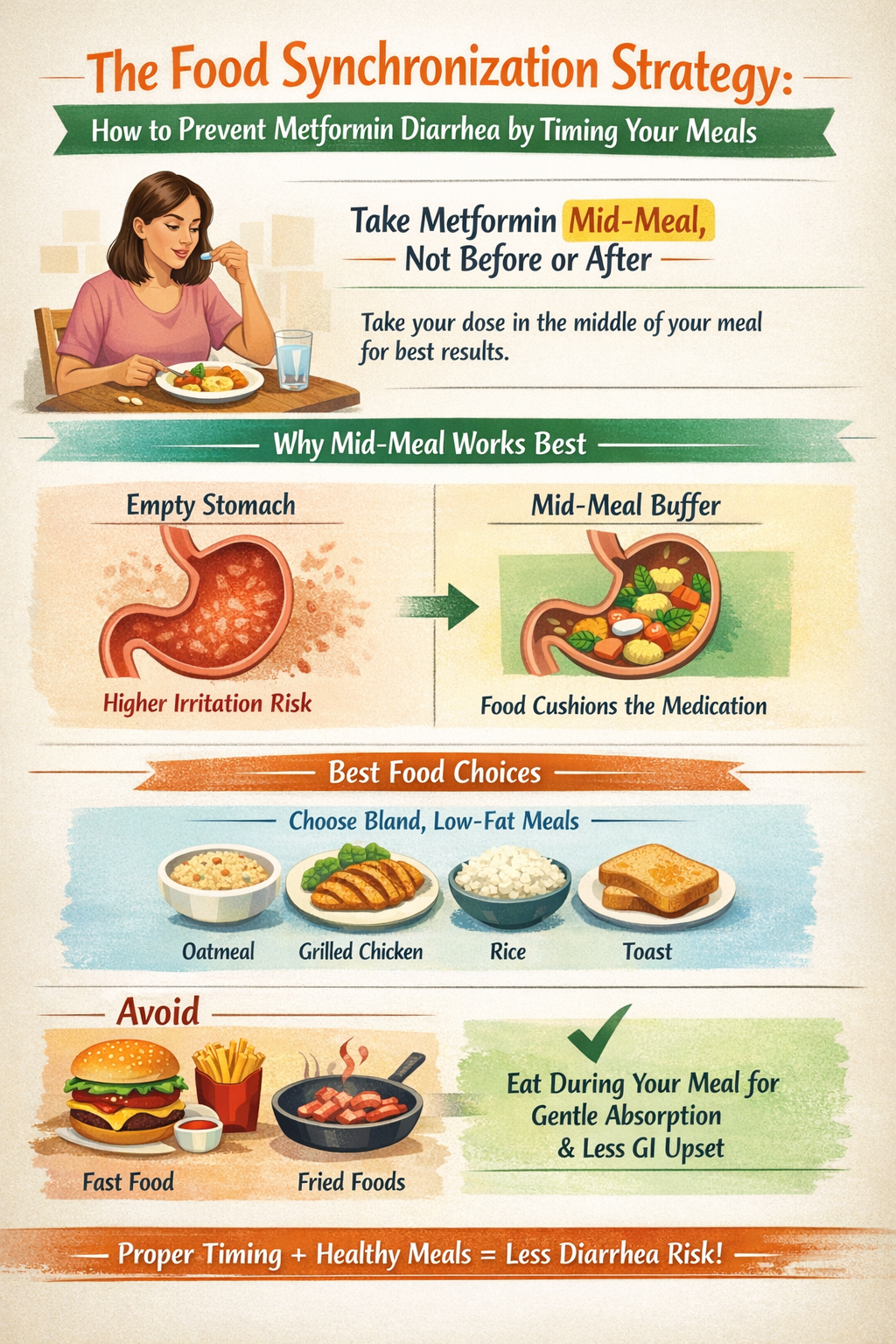
If you have ever found yourself standing in the kitchen, pill in hand, wondering should I take metformin before or after meals to avoid diarrhea, you are not alone. This is one of the most common questions doctors hear from patients newly prescribed this medication. The answer, surprisingly, is neither. Taking metformin on an empty stomach—whether before or immediately after eating—leaves the gastric lining vulnerable to irritation, which often triggers the very digestive distress you are trying to avoid. Instead, the optimal approach is to take your dose mid-meal. By swallowing the tablet in the middle of your meal, you create a natural buffer of food both before and after the medication, allowing it to settle more gently into your system. This simple timing shift can make a profound difference in how your body responds.
Of course, not all meals are created equal when it comes to managing side effects. You might be tempted to ask, can I take metformin with just a snack to prevent diarrhea, hoping that a light bite will suffice. However, most experts agree that a snack rarely provides enough protective barrier. A full meal—particularly one composed of low-fat, bland options like oatmeal, lean chicken, rice, or toast—is far more effective at minimizing gastric irritation. Fatty or greasy foods can actually worsen symptoms by speeding up digestion and increasing bowel motility, so steering clear of fried dishes and rich sauces during the adjustment period is wise. The goal is to give your stomach a calm, stable environment where the medication can be absorbed slowly without overwhelming the digestive tract.
Ultimately, mastering the art of meal timing gives you a powerful, drug-free tool to regain control over your digestive health. For anyone searching for the best food to eat with metformin to stop diarrhea, the answer lies in simplicity: small, bland, low-fat meals taken consistently alongside your medication. This strategy directly addresses how to prevent metformin diarrhea without requiring a prescription change or additional medications. By pairing the right foods with the right timing, you can significantly reduce the likelihood of gastrointestinal distress and continue benefiting from one of the most effective diabetes management tools available—without spending your day worrying about where the nearest restroom is.
4. Restore Gut Balance with Probiotics – A Natural Metformin Diarrhea Remedy
If you have been searching for the best probiotic for metformin induced diarrhea, you are already on the right track. Metformin works by altering the gut microbiome, which can unintentionally reduce beneficial bacteria while allowing gas-producing microbes to thrive. This imbalance is often the hidden culprit behind the urgency, loose stools, and digestive discomfort that so many patients experience. By introducing targeted probiotic strains, you are essentially helping your gut restore its natural defenses. This approach addresses the root of the issue rather than simply masking symptoms, which is why healthcare providers frequently recommend probiotics as a first-line strategy for those seeking a sustainable solution.
A common question many patients ask is does yogurt help with metformin diarrhea? The answer is yes, but with some nuance. Yogurt containing live, active cultures such as Lactobacillus and Bifidobacterium can certainly provide gentle, food-based support for digestive health. However, the concentration of probiotics in yogurt is often lower than what is found in clinical-grade supplements. For individuals experiencing persistent or severe symptoms, a high-quality probiotic supplement may offer more reliable and consistent relief. Whether you choose yogurt or a supplement, the key is consistency—regular intake allows the beneficial bacteria to establish themselves and gradually improve your gut resilience.
For those who prefer to avoid adding another medication to their routine, learning how to stop metformin diarrhea naturally is a top priority. Probiotics fit perfectly into this goal, as they offer a drug-free approach to calming gastrointestinal distress. Strains such as Lactobacillus rhamnosus and Bifidobacterium lactis have shown particular promise in clinical settings for reducing inflammation and restoring normal bowel function. When combined with dietary adjustments like increasing soluble fiber and staying hydrated, probiotics can form the foundation of a long-term metformin side effects diarrhea solution. As always, it is wise to discuss any new supplement with your doctor to ensure it aligns with your overall diabetes management plan.
5. The Fiber Adjustment Protocol: Balancing Soluble and Insoluble Fiber
If you are struggling with digestive distress, you have likely wondered, does fiber make metformin diarrhea worse or better? The answer is not a simple yes or no—it depends entirely on the type of fiber you are consuming. Many patients make the mistake of loading up on raw salads and high-bulk vegetables, only to find their symptoms intensifying. This is because insoluble fiber, found in the skins of fruits, leafy greens, and whole grains, acts like a scrub brush through the intestines. While healthy in general, this roughage can irritate an already sensitive gut that is reacting to Metformin, essentially speeding up transit time and making diarrhea more urgent.
To truly find relief, you need to shift your focus to soluble fiber, which acts as a gentle sponge rather than a brush. Soluble fiber dissolves in water to form a gel-like substance that slows down digestion and absorbs excess fluid in the bowel. This is why oatmeal, applesauce, and psyllium husk are often recommended for those seeking how to stop metformin diarrhea with diet changes. If you are asking what is the best fiber supplement for metformin diarrhea?, most gastroenterologists point to psyllium husk—but with one critical rule: you must take it with a full glass of water and start with a very small dose. Introducing this type of fiber slowly allows your body to firm up stool consistency without causing painful bloating or cramping.
By strategically swapping out rough insoluble fibers for soothing soluble ones, you can effectively resolve the metformin stomach problems that disrupt daily life. This protocol is not about eliminating fiber altogether—which can actually worsen diarrhea over time—but about choosing the right kind to normalize stool consistency. Remember, the goal is to create a gentle environment in your digestive tract. When you combine this dietary adjustment with proper hydration, you give your body the best chance to adapt to the medication, allowing you to manage your diabetes without spending your day worrying about where the nearest restroom is.
6. Strategic Hydration Protocol: Managing Electrolytes While You Stop Metformin Diarrhea
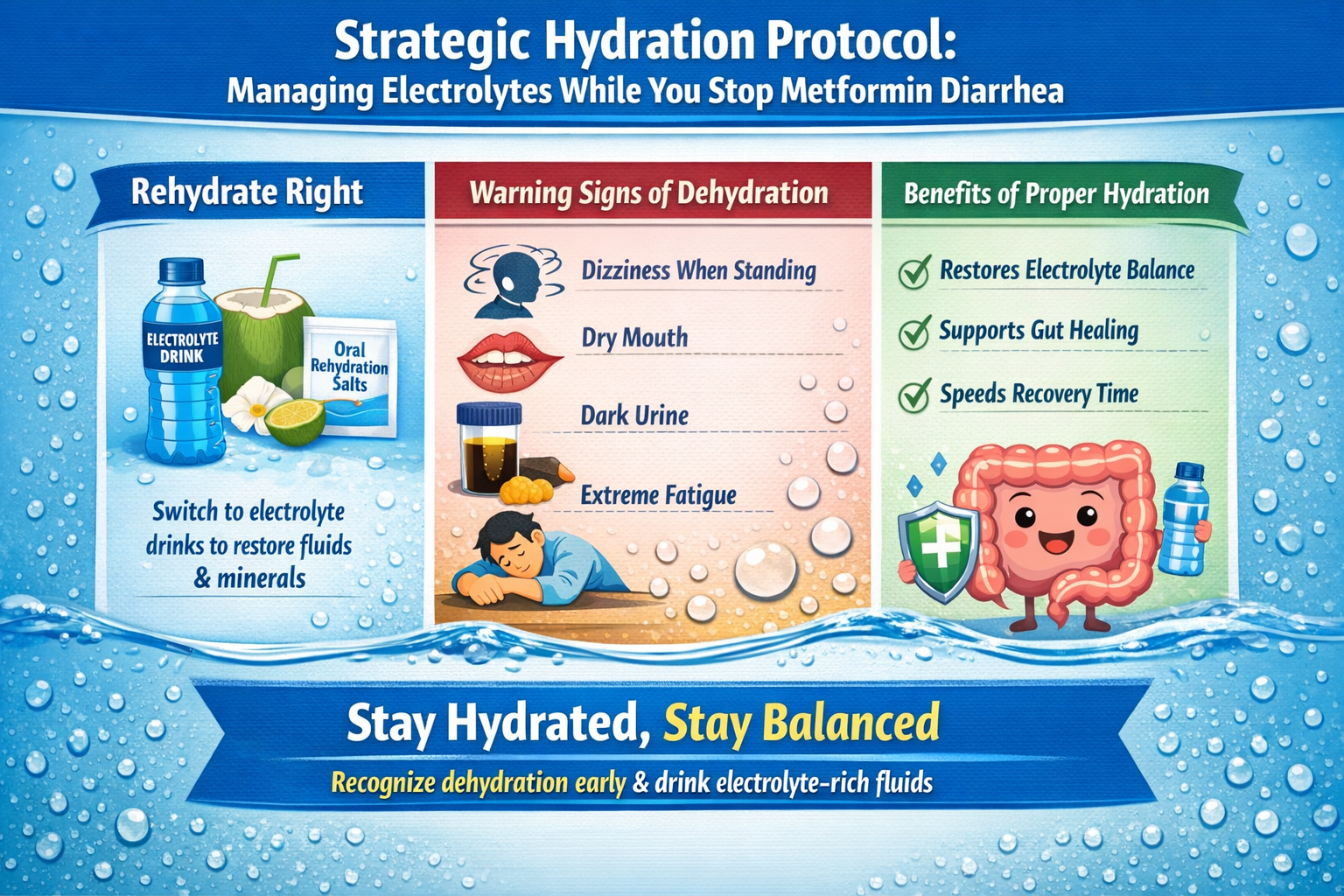
When the body rapidly expels fluids due to medication-related digestive distress, simply drinking water isn’t enough to bounce back. One of the most critical questions patients ask is how to rehydrate after metformin diarrhea? because losing fluids at this rate strips the body of essential electrolytes like sodium and potassium. Without these vital minerals, even if you are drinking plenty of water, your cells cannot retain the hydration they need to function. This is why switching from plain water to electrolyte-infused beverages—such as sugar-free sports drinks, coconut water, or oral rehydration salts—is essential. By replenishing what the body is losing, you create a stable internal environment that allows the digestive tract to calm down and begin the healing process.
Beyond the discomfort of frequent trips to the bathroom, failing to address fluid loss can lead to more alarming physical signs. Many patients search for metformin diarrhea dehydration symptoms to distinguish between a manageable side effect and a medical concern. Key warning signs include persistent dizziness when standing up, a dry mouth that water won’t quench, dark-colored urine, and an unusual sense of fatigue that lingers even after resting. If these symptoms appear, it is a clear signal that the body is struggling to maintain homeostasis. Recognizing these red flags early allows you to take corrective action—like increasing electrolyte intake or contacting a healthcare provider—before the situation escalates into something more serious.
Proper hydration does more than just alleviate immediate discomfort; it actively supports the gut lining to speed up recovery. For those wondering how long does metformin diarrhea last once it starts?, the answer often depends on how well the body is supported during the adjustment period. When the intestines are properly hydrated and electrolyte levels are balanced, the gastrointestinal tract experiences less inflammation and can adapt to the medication more efficiently. Typically, symptoms may last anywhere from a few days to two weeks, but maintaining a strict hydration protocol can significantly shorten that window. By treating rehydration as a foundational step rather than an afterthought, you give your body the best possible chance to tolerate the medication without prolonged disruption.
7. Smart Timing, Smaller Doses: How Dosage Strategy Tames Metformin Diarrhea
If you are new to Metformin, one of the first questions that likely keeps popping into your mind is, metformin diarrhea how long does it last after starting? The honest answer is that for most people, the worst of it lasts between one and three weeks. This period is essentially your digestive system’s "adjustment phase." During this time, your gut is learning to tolerate the medication. However, if you feel like three weeks is too long to suffer through constant bathroom trips, the problem might not be the medication itself—it might be the way you are taking it. Doctors often find that simply adjusting the delivery method of the drug can significantly shorten this adjustment window, turning a miserable first month into a manageable transition.
One of the most effective secrets to avoiding gastrointestinal distress lies in answering a critical question: can splitting metformin dosage help with diarrhea? The clinical answer is a resounding yes. Instead of taking one large dose that hits your stomach like a tidal wave, splitting the total daily amount into two smaller doses—for example, one with breakfast and one with dinner—reduces the acute burden on your gastrointestinal tract. This method prevents the sudden spike of the medication in your system, allowing your body to process it in gentler, more manageable increments. By avoiding that overwhelming surge, you give your intestinal lining a much-needed break, significantly reducing the severity of cramps and loose stools.
Finally, for those who are increasing their prescription under a doctor’s supervision, the key is to understand how to stop metformin diarrhea during dosage increase. This is where the concept of "slow titration" becomes your best friend. Many patients make the mistake of jumping from a low dose to a high dose overnight, which shocks the system. Instead, a successful strategy involves increasing the dose in tiny steps over several weeks. By coupling this slow titration with the split-dose method, you effectively "teach" your digestive system to adapt gradually rather than forcing it to react defensively. This patient, step-by-step approach ensures that you receive the full blood-sugar-controlling benefits of Metformin without sacrificing your digestive comfort in the process.
8. Know When to Ask for Alternatives: If Metformin Side Effects Diarrhea Solution Fails
You’ve tried the extended-release version, adjusted your diet, added probiotics, and timed your doses perfectly—yet you’re still spending far too much time near a bathroom. If this sounds familiar, you may be asking yourself, what to do if metformin diarrhea doesn’t go away after a month. The truth is, while mild digestive upset is common during the first few weeks, persistent or severe symptoms are not something you should simply endure. Listening to your body is essential, and reaching a point where the treatment feels worse than the condition is a clear signal that it’s time to reevaluate your approach.
Many patients hesitate to speak up because they worry that stopping Metformin means abandoning effective diabetes management. But here’s the reassuring reality: if you’re wondering, can I stop metformin if diarrhea is severe, the answer is yes—but only under your doctor’s guidance. No one should suffer through debilitating side effects when alternatives are available. A simple conversation with your healthcare provider can open the door to a different strategy, one that controls your blood sugar without controlling your daily life. They can help you taper off safely while exploring next steps, ensuring you never feel trapped between managing your health and managing your symptoms.
So what comes next if Metformin simply isn’t the right fit for your body? You’re not alone in asking what diabetes medication can replace metformin for stomach issues or is there a diabetic medicine similar to metformin without diarrhea. The good news is that modern diabetes care offers several effective alternatives, from SGLT2 inhibitors to sulfonylureas and other newer agents, each with its own side effect profile. Your doctor can help match you with a medication that aligns with your health goals and your digestive comfort. Remember, uncontrolled metformin stomach problems should never derail your diabetes management—effective, well-tolerated alternatives exist, and finding the right one is a partnership between you and your healthcare team.
Conclusion: Your Roadmap to Metformin Diarrhea Relief
If you have ever found yourself asking how to tolerate metformin without diarrhea, you now have a clear, step-by-step answer. The seven methods outlined above are designed to work together, addressing the root causes of gastrointestinal distress rather than simply masking the symptoms. From switching to an extended-release formulation to restoring gut balance with probiotics and fine-tuning your meal timing, each strategy offers a practical layer of protection. The key takeaway is that you do not have to choose between managing your diabetes and enjoying digestive comfort—by implementing these adjustments gradually, most patients find a sustainable balance that allows them to continue benefiting from this essential medication without the daily disruption of loose stools.
For those searching what is the fastest way to stop metformin diarrhea, the most immediate relief often comes from combining two foundational changes: transitioning to the extended-release version of the medication and taking it consistently with a full, low-fat meal. These two steps alone can reduce symptom severity within days. From there, incorporating a high-quality probiotic and adjusting your fiber intake to favor soluble sources like oatmeal or psyllium provides ongoing support, helping your digestive system adapt over the longer term. Patience is essential—your gut needs time to adjust—but by layering these approaches, you create a comprehensive defense against the side effects that so often lead people to consider stopping their treatment prematurely.
Ultimately, these metformin diarrhea relief tips are most effective when personalized to your unique situation. What works for one person may require slight modification for another, which is why consistency and careful observation matter so much. Remember that while the strategies shared here are backed by clinical experience and patient success stories, your prescribing physician remains your most valuable partner in this process. If symptoms persist despite these efforts, or if you experience severe dehydration, dizziness, or unintended weight loss, do not hesitate to reach out to your healthcare provider for guidance. With the right combination of medical oversight and proactive self-care, you can successfully manage metformin's gastrointestinal effects and stay on track with your diabetes treatment goals.
More Blog Posts
Does Metformin Cause Weight Gain? What the Research Says
Managing Ozempic Side Effects: Nausea and Other Common Issues
Ozempic (semaglutide) has become a popular treatment for type 2 diabetes and weight management, but its gastrointestinal side effects can be challenging. Learn evidence-based strategies to minimize discomfort while benefiting from this medication.
Read More
Tylenol and Ibuprofen: Safe Together or Risky Combination?
Many people alternate between acetaminophen (Tylenol) and ibuprofen for pain relief, but is this practice safe? We analyze the pharmacological interactions and clinical guidelines to help you make informed decisions about pain management.
Read More
Why Does Lexapro Cause Weight Gain? Understanding the Mechanisms
Lexapro (escitalopram) is an effective SSRI antidepressant, but weight gain is a common concern. This article explores the physiological reasons behind this side effect and offers practical advice for managing weight while on medication.
Read More
How to Stop Dizziness from Blood Pressure Meds
Practical strategies to manage orthostatic hypotension from antihypertensives.
Read More
Prozac Insomnia: How Long Does It Last?
Understanding the timeline for SSRI-related sleep disturbances.
Read More
Side Effects of Stopping Statins Suddenly
The risks and proper protocols for discontinuing cholesterol medications.
Read More
Can I Drink Alcohol with Antibiotics?
Which antibiotics interact with alcohol and the potential risks.
Read More
Adderall and Caffeine Side Effects
The dangerous combination of stimulants and its impact on your health.
Read More
Does Gabapentin Cause Hair Loss?
Examining the evidence behind this concerning side effect.
Read More
Managing Amlodipine-Induced Swelling: A Patient's Guide
Effective strategies for managing peripheral edema caused by calcium channel blockers.
Read More
Prednisone Moon Face: How Long to Go Away
Understanding and managing corticosteroid-induced facial swelling.
Read More
Can You Take Benadryl with Xanax?
The risks of combining CNS depressants and safer alternatives.
Read More
Zoloft vs Lexapro Side Effects
Comparing two popular SSRIs and their side effect profiles.
Read More
Best Time to Take Synthroid to Avoid Side Effects
Optimizing levothyroxine absorption and effectiveness.
Read More
Managing Weight Gain from Antidepressants
Strategies to counteract medication-induced weight changes.
Read More
Beta Blocker Withdrawal Symptoms Timeline
What to expect when tapering off these heart medications.
Read More
SSRI Withdrawal: What to Expect
Understanding discontinuation syndrome and how to minimize symptoms.
Read More
Birth Control Pills and Mood Swings
How hormonal contraceptives can affect your emotional health.
Read More
Natural Alternatives to Proton Pump Inhibitors
Lifestyle changes and supplements to reduce acid reflux without medications.
Read More
Can You Take Tylenol With Amoxicillin? A Comprehensive Guide
When dealing with common infections like strep throat, sinus infections, or even a toothache, your doctor may prescribe amoxicillin, a widely used antibiotic. At the same time, you might experience fever, body aches, or pain — symptoms that prompt many people to reach for Tylenol (acetaminophen). But a common question arises: Can you take Tylenol with amoxicillin?
Read More
Ozempic Side Effects: How Long Does It Last? Plus Benefits for Prediabetes & PCOS
Ozempic, a medication containing semaglutide, has quickly become one of the most talked-about treatments in recent years. Originally developed to help people with type 2 diabetes manage their blood sugar levels How Long Does It Last?
Read More
Antibiotics for Sinus Infection: Best Treatments, Uses, and Side Effects Explained
Sinus infections, also known as Sinusitis, are a widespread condition that can leave you dealing with stubborn congestion, facial pressure, headaches How to treat?
Read More
Dupixent Side Effects: What You Need to Know Before and After Treatment
Living with conditions like eczema, asthma, or chronic sinusitis can be challenging, and treatments such as Dupixent have brought relief to many patients. How to treat?
Read More