Metformin is one of the most commonly prescribed medications for type 2 diabetes, but many patients wonder about its effects on weight. This comprehensive review examines clinical studies and patient reports to separate fact from fiction.
Read More
Medication Side Effects Checker
← Back to Blog



Dupixent Side Effects: What You Need to Know Before and After Treatment
1. Introduction to Dupixent Side Effects
Living with conditions like eczema, asthma, or chronic sinusitis can be challenging, and treatments such as Dupixent have brought relief to many patients. This injectable medication works by targeting specific pathways in the immune system that cause inflammation, helping improve symptoms and quality of life. However, before starting any new treatment, it’s essential to understand dupixent side effects and how your body may respond to the medication.
Many patients search for side effects of dupixent before their first injection, wanting to know what to expect and how to prepare. Like most medications, Dupixent can cause reactions that range from mild issues, such as redness at the injection site, to more noticeable concerns like eye irritation or fatigue. Being informed ahead of time helps reduce anxiety and allows patients to recognize normal responses versus symptoms that may need medical attention.
Understanding dupixent side effects is not about fear—it’s about making confident and informed health decisions. While most side effects of dupixent are manageable and temporary, knowing the possibilities can help you stay proactive throughout your treatment journey. With the right knowledge and guidance from a healthcare provider, many people successfully use Dupixent while keeping side effects under control.
2. Common Side Effects of Dupixent Injection
When starting treatment, many patients want to understand the most common side effects of dupixent injection and what to expect. In most cases, these effects are mild and appear shortly after the dose is given. The most frequently reported side effects of dupixent include reactions at the injection site, such as redness, slight swelling, or tenderness. These symptoms usually occur because the body is adjusting to the medication and often improve on their own within a few days.
Some people may also notice mild irritation, including itching or a small bump where the injection was administered. Along with these local symptoms, general dupixent reactions like fatigue or headache can occur, especially during the first few weeks of treatment. While these effects might feel uncomfortable, they are typically not severe and tend to decrease as the body becomes more familiar with the medication.
It’s important to remember that most side effects of dupixent injection are temporary and manageable with simple care, such as rotating injection sites and staying hydrated. If symptoms persist or worsen, consulting a healthcare provider is always the best step. Overall, understanding these common dupixent reactions can help patients feel more confident and prepared as they begin their treatment journey.
3. Dupixent Side Effects Eyes: What Patients Report
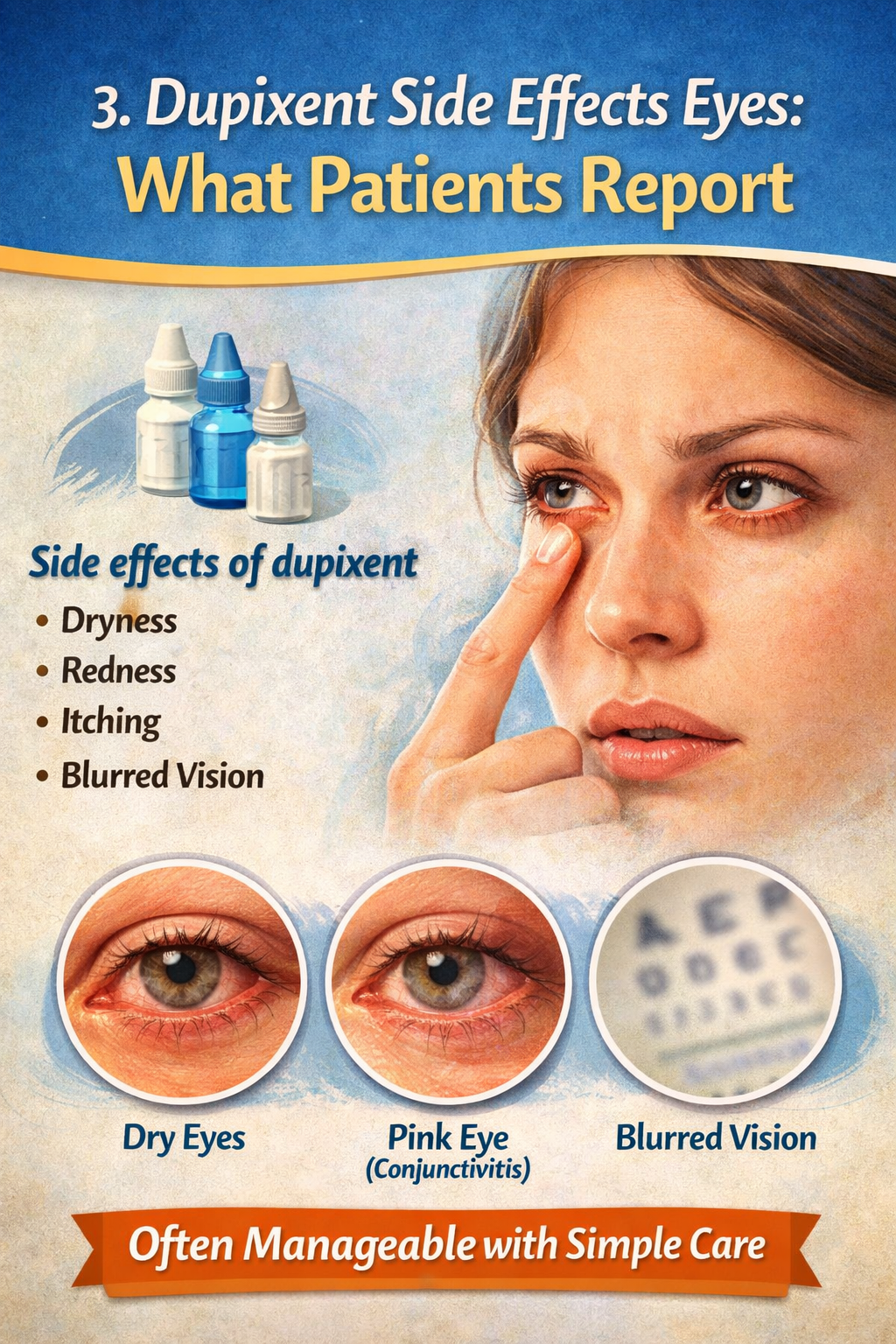
One of the most talked-about concerns among patients is dupixent side effects eyes, especially for those starting treatment for eczema or asthma. While many people experience significant relief from their symptoms, some notice changes in eye comfort shortly after beginning therapy. These dupixent eye side effects are usually mild but can feel bothersome if not addressed early. Understanding these changes helps patients stay informed and manage symptoms confidently without unnecessary worry.
The most commonly reported side effects of dupixent related to the eyes include dryness, redness, and itching. Some individuals may develop conjunctivitis, often referred to as pink eye, which can cause irritation and watery discharge. Dry eyes can make daily activities like reading or using screens uncomfortable, while itching and redness may come and go throughout the day. In rare cases, patients report mild blurred vision, which should always be evaluated by a healthcare professional to rule out more serious concerns.
The reason dupixent side effects eyes are frequently searched online is that eye-related symptoms can feel more alarming than other mild reactions. Vision is essential, so even small changes tend to get immediate attention. The good news is that most dupixent eye side effects are manageable with simple treatments like lubricating eye drops or routine medical care. Staying aware of these side effects of dupixent allows patients to act early, reduce discomfort, and continue treatment with greater peace of mind.
4. Dupixent Side Effects Weight Gain: Myth or Reality?
Many patients worry about dupixent side effects weight gain when starting treatment, especially after reading mixed experiences online. However, clinical studies and medical data show that weight gain is not considered a common or direct outcome among the known side effects of dupixent. This medication primarily targets inflammation pathways linked to conditions like eczema and asthma, rather than affecting metabolism or fat storage.
That said, some individuals may notice slight changes in their weight over time, but this is often due to indirect factors rather than the drug itself. As symptoms improve, patients may experience better sleep, reduced discomfort, and an increased appetite—all of which can naturally lead to weight gain. In this sense, what appears to be dupixent side effects weight gain may actually reflect the body returning to a healthier, more balanced state after chronic inflammation.
Overall, it’s important to view these changes in context. Most healthcare providers agree that weight gain is not a typical concern among the major side effects of dupixent. If you do notice unexpected changes, monitoring your diet, activity level, and discussing concerns with your doctor can help you stay on track while benefiting from the treatment.
5. Dupixent Reactions: Allergic and Serious Side Effects
While many people tolerate treatment well, understanding dupixent reactions is essential before starting therapy. Most side effects of dupixent are mild, such as redness at the injection site or slight irritation, but some individuals may experience more serious responses. These can include allergic reactions like skin rash, facial swelling, or difficulty breathing, which should never be ignored. Recognizing these dupixent side effects early can help prevent complications and ensure timely care.
In some cases, patients may develop a condition called eosinophilia, where there is an increased level of certain white blood cells in the body. This is one of the less common but notable dupixent reactions that doctors monitor during treatment. Additionally, some individuals may experience unusual inflammation affecting different parts of the body, leading to discomfort or worsening symptoms. Although these side effects of dupixent are not common, being aware of them helps patients stay informed and proactive about their health.
It’s important to know when to seek immediate medical attention. If you notice severe symptoms such as persistent swelling, trouble breathing, chest tightness, or intense inflammation, contact a healthcare provider right away. Prompt action can reduce the risk of complications and ensure your safety while using the medication. Staying informed about potential dupixent side effects allows you to balance the benefits of treatment with proper caution and confidence.
6. Dupixent Side Effects Before and After Treatment
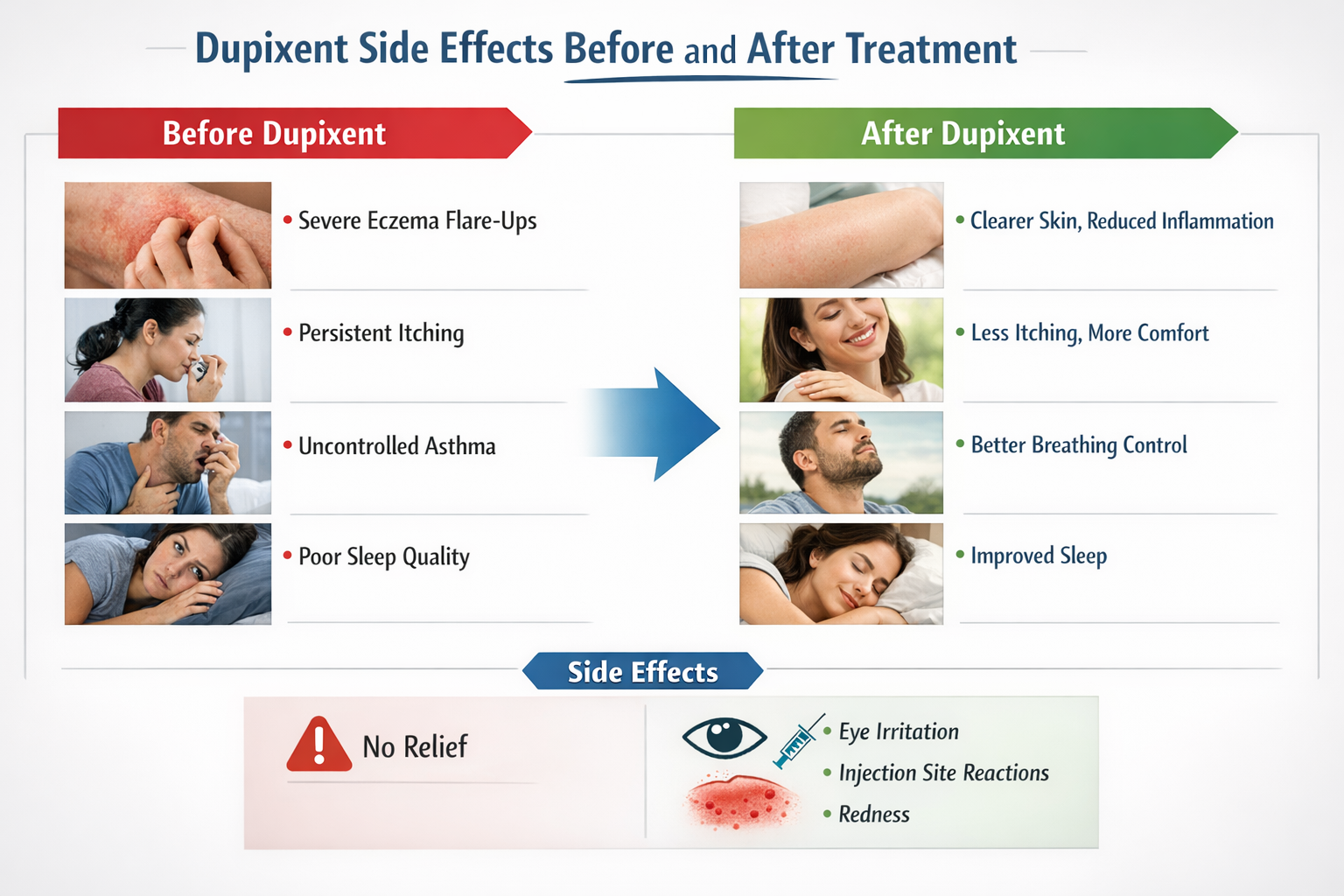
Before starting treatment, many patients struggle daily with intense eczema flare-ups, persistent itching, or uncontrolled asthma symptoms that disrupt sleep and quality of life. At this stage, people often research side effects dupixent before and after to understand what changes to expect. The decision to begin therapy usually comes after other treatments fail to provide relief, making it important to weigh both the benefits and potential dupixent side effects.
After beginning Dupixent, most patients notice a significant improvement in symptoms—clearer skin, reduced itching, and better breathing control. However, the experience isn’t entirely free of challenges. Some individuals report mild dupixent side effects such as injection site reactions, eye irritation, or temporary redness. When comparing side effects dupixent before and after, the improvement in primary symptoms often outweighs these manageable reactions, which tend to decrease over time.
To set realistic expectations, it helps to view treatment as a transition rather than an instant cure. A simple “before vs after” table can clearly show the contrast—before treatment may include severe discomfort and frequent flare-ups, while after treatment highlights symptom relief alongside mild dupixent side effects. Understanding side effects dupixent before and after allows patients to feel more confident, prepared, and informed as they begin their treatment journey.
| Before Dupixent | After Dupixent |
|---|---|
| Severe eczema flare-ups | Clearer skin, reduced inflammation |
| Persistent itching | Less itching, improved comfort |
| Uncontrolled asthma symptoms | Better breathing control |
| Poor sleep quality | Improved sleep |
| No treatment relief | Mild dupixent side effects (eye irritation, injection reactions) |
7. Long Term Effects of Dupixent
Understanding the long term effects of dupixent is important for anyone considering or already using this treatment. Clinical studies and real-world use suggest that most dupixent side effects remain mild and manageable over time. Many patients experience consistent symptom relief for conditions like eczema and asthma, which makes Dupixent a reliable long-term option. However, like any ongoing therapy, individual responses can vary, and it’s essential to stay informed about how your body reacts over extended use.
When looking at the long term effects of dupixent, one commonly discussed concern involves eye-related issues. Some users report persistent dryness, irritation, or conjunctivitis, which may continue if not properly managed. While these dupixent side effects are usually not severe, they can affect daily comfort and quality of life. Regular eye check-ups and early treatment of symptoms can help prevent these issues from becoming chronic.
Another key factor in evaluating the long term effects of dupixent is its impact on the immune system. Since Dupixent works by targeting specific immune pathways, it does not broadly suppress immunity like some other medications. Still, monitoring for any unusual infections or reactions is important. To minimize risks and manage any dupixent side effects, ongoing follow-ups with a healthcare provider are strongly recommended, ensuring safe and effective long-term use.
8. How to Manage Side Effects of Dupixent
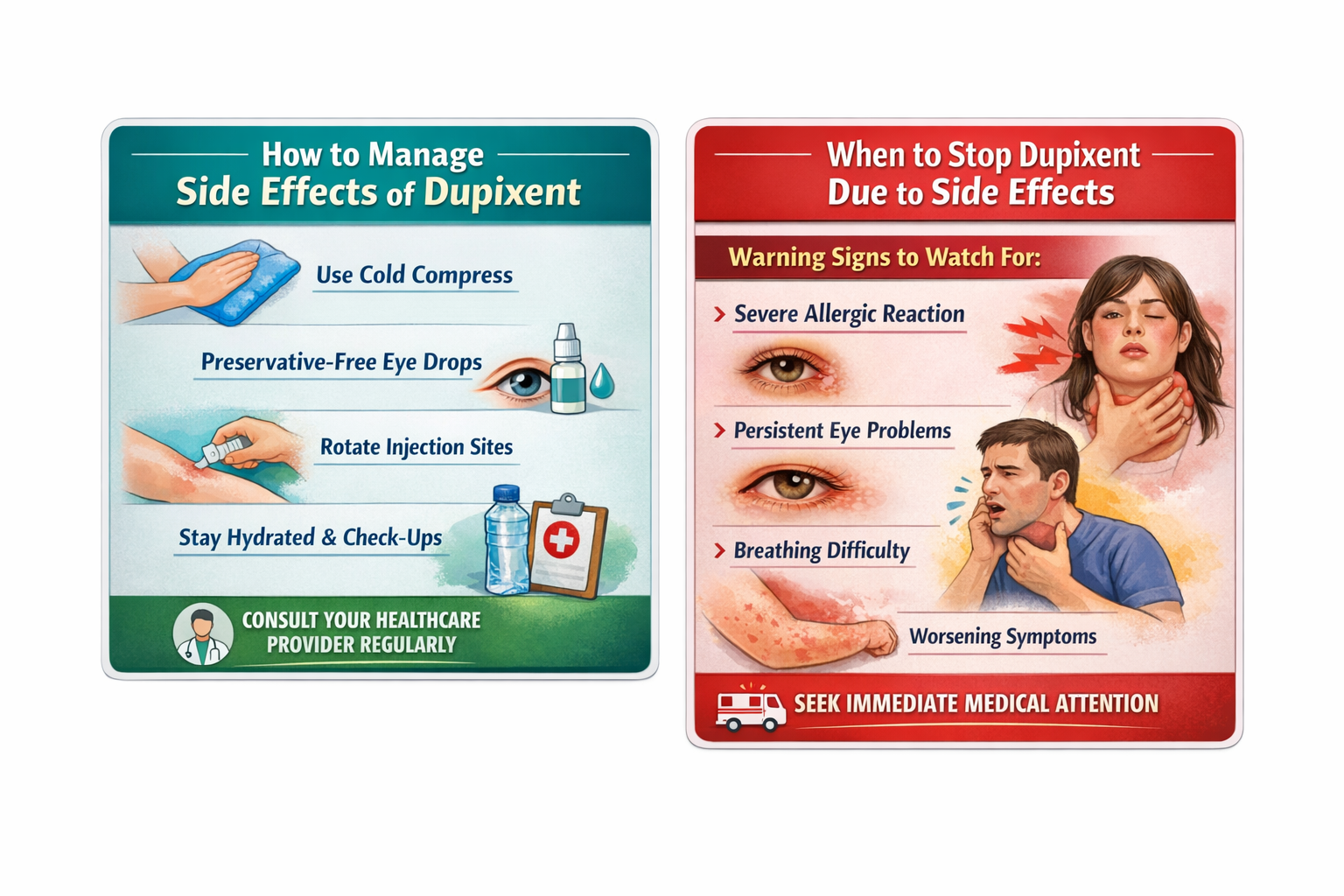
Managing the side effects of dupixent doesn’t have to feel overwhelming when you know what to expect and how to respond. Many people experience mild dupixent reactions such as redness at the injection site or slight irritation, especially during the first few doses. The key is to stay consistent with your treatment routine while paying attention to how your body responds. Simple adjustments—like applying a cold compress after injections—can make a noticeable difference in comfort and help you stay on track with your therapy.
Eye irritation is one of the more commonly discussed side effects of dupixent, but it can often be managed with basic care. Using preservative-free eye drops can soothe dryness and reduce redness, while avoiding excessive screen time may prevent further strain. For injection-related dupixent reactions, rotating injection sites is highly recommended to minimize skin irritation and swelling. This small habit can significantly reduce discomfort over time and improve your overall treatment experience.
Staying hydrated and maintaining regular check-ins with your healthcare provider are essential for managing long-term side effects of dupixent. Drinking enough water supports your body’s natural healing process, while routine medical follow-ups ensure any unusual dupixent reactions are caught early and addressed properly. By combining these practical steps with professional guidance, you can confidently manage side effects and continue benefiting from your treatment.
9. When to Stop Dupixent Due to Side Effects
While many people tolerate treatment well, it’s important to recognize when dupixent side effects may signal something more serious. Mild symptoms like slight redness at the injection site or temporary irritation are common, but certain warning signs should never be ignored. If you experience sudden swelling of the face or throat, difficulty breathing, or intense skin reactions, these could be severe dupixent reactions that require immediate medical attention.
Another key reason to stop or pause treatment is persistent eye problems. Some patients report ongoing redness, pain, or vision changes as part of the side effects of dupixent, especially related to eye health. If these symptoms do not improve or begin to worsen over time, continuing the medication without evaluation may lead to complications. Similarly, if your original condition seems to be getting worse instead of better, it may indicate that your body is not responding well to the treatment.
Ultimately, knowing when to stop comes down to listening to your body and acting quickly when something feels off. Never try to manage severe dupixent side effects on your own. Consulting a healthcare professional ensures that you receive the right guidance, whether that means adjusting your dosage, treating side effects, or switching to an alternative therapy. Early action can prevent complications and help you stay on the safest path to recovery.
10. FAQ Section
When people start researching dupixent side effects, the most common question is what to expect right after treatment. The side effects of dupixent are usually mild and manageable for most patients.
Q1: What are the most common dupixent side effects?
Short answer:
- Injection site reactions (redness, swelling)
- Eye irritation or dryness
- Mild swelling or rash
- Headache or fatigue
These dupixent side effects often improve as your body adjusts to the medication.
Another major concern many patients have is related to eye health and body changes.
Q2: Are dupixent eye side effects permanent?
Most dupixent eye side effects—such as dryness, redness, or itching—are temporary and can be treated with simple eye care. However, in rare cases, symptoms may last longer and require medical attention.
Q3: Does dupixent cause weight gain?
There is no strong clinical evidence linking dupixent side effects weight gain directly to the medication. Some people may notice slight changes due to improved health or appetite, but weight gain is not considered a common side effect of dupixent.
Patients also want to understand how long symptoms last and whether there are lasting risks.
Q4: How long do side effects of dupixent last?
The side effects of dupixent typically last from a few days to a couple of weeks, depending on the individual and the type of reaction. Most mild symptoms fade as treatment continues.
Q5: Are there long term effects of dupixent?
Current research shows that the long term effects of dupixent are generally safe for most users, especially when monitored by a healthcare provider. While some individuals may experience ongoing eye-related issues, serious long-term complications are uncommon.
11. Conclusion: Understanding Dupixent Side Effects
Understanding dupixent side effects is essential for anyone considering or currently using this treatment. While many patients experience significant relief from conditions like eczema or asthma, it’s equally important to stay aware of potential changes your body may show. From mild irritation to more noticeable dupixent reactions, knowing what to expect helps you feel more confident and prepared throughout your treatment journey.
Q: What are the most important things to know about the side effects of dupixent?
A: The side effects of dupixent can range from minor issues like injection site redness to more specific concerns such as eye irritation or allergic responses. Most dupixent reactions are manageable and temporary, but being informed allows you to respond quickly if something unusual occurs.
Q: Should you be concerned about dupixent side effects before starting treatment?
A: Not necessarily—but you should be informed. Understanding dupixent side effects helps you make better health decisions and reduces anxiety about the unknown. Always discuss any symptoms or concerns with a healthcare provider, as they can guide you on whether your experience is normal or needs attention.
More Blog Posts
Does Metformin Cause Weight Gain? What the Research Says
Managing Ozempic Side Effects: Nausea and Other Common Issues
Ozempic (semaglutide) has become a popular treatment for type 2 diabetes and weight management, but its gastrointestinal side effects can be challenging. Learn evidence-based strategies to minimize discomfort while benefiting from this medication.
Read More
Tylenol and Ibuprofen: Safe Together or Risky Combination?
Many people alternate between acetaminophen (Tylenol) and ibuprofen for pain relief, but is this practice safe? We analyze the pharmacological interactions and clinical guidelines to help you make informed decisions about pain management.
Read More
Why Does Lexapro Cause Weight Gain? Understanding the Mechanisms
Lexapro (escitalopram) is an effective SSRI antidepressant, but weight gain is a common concern. This article explores the physiological reasons behind this side effect and offers practical advice for managing weight while on medication.
Read More
How to Stop Dizziness from Blood Pressure Meds
Practical strategies to manage orthostatic hypotension from antihypertensives.
Read More
Prozac Insomnia: How Long Does It Last?
Understanding the timeline for SSRI-related sleep disturbances.
Read More
Side Effects of Stopping Statins Suddenly
The risks and proper protocols for discontinuing cholesterol medications.
Read More
Can I Drink Alcohol with Antibiotics?
Which antibiotics interact with alcohol and the potential risks.
Read More
Adderall and Caffeine Side Effects
The dangerous combination of stimulants and its impact on your health.
Read More
Does Gabapentin Cause Hair Loss?
Examining the evidence behind this concerning side effect.
Read More
Managing Amlodipine-Induced Swelling: A Patient's Guide
Effective strategies for managing peripheral edema caused by calcium channel blockers.
Read More
Prednisone Moon Face: How Long to Go Away
Understanding and managing corticosteroid-induced facial swelling.
Read More
Can You Take Benadryl with Xanax?
The risks of combining CNS depressants and safer alternatives.
Read More
Zoloft vs Lexapro Side Effects
Comparing two popular SSRIs and their side effect profiles.
Read More
Best Time to Take Synthroid to Avoid Side Effects
Optimizing levothyroxine absorption and effectiveness.
Read More
Managing Weight Gain from Antidepressants
Strategies to counteract medication-induced weight changes.
Read More
Beta Blocker Withdrawal Symptoms Timeline
What to expect when tapering off these heart medications.
Read More
SSRI Withdrawal: What to Expect
Understanding discontinuation syndrome and how to minimize symptoms.
Read More
Birth Control Pills and Mood Swings
How hormonal contraceptives can affect your emotional health.
Read More
Natural Alternatives to Proton Pump Inhibitors
Lifestyle changes and supplements to reduce acid reflux without medications.
Read More
Can You Take Tylenol With Amoxicillin? A Comprehensive Guide
When dealing with common infections like strep throat, sinus infections, or even a toothache, your doctor may prescribe amoxicillin, a widely used antibiotic. At the same time, you might experience fever, body aches, or pain — symptoms that prompt many people to reach for Tylenol (acetaminophen). But a common question arises: Can you take Tylenol with amoxicillin?
Read More
Ozempic Side Effects: How Long Does It Last? Plus Benefits for Prediabetes & PCOS
Ozempic, a medication containing semaglutide, has quickly become one of the most talked-about treatments in recent years. Originally developed to help people with type 2 diabetes manage their blood sugar levels How Long Does It Last?
Read More
Antibiotics for Sinus Infection: Best Treatments, Uses, and Side Effects Explained
Sinus infections, also known as Sinusitis, are a widespread condition that can leave you dealing with stubborn congestion, facial pressure, headaches How to treat?
Read More
How to Stop Metformin Diarrhea: 7 Doctor-Approved Methods That Work
If you have recently been prescribed this medication, you may be searching for answers to an uncomfortable question: why does metformin give me diarrhea every time I eat? How to treat?
Read More